Buying an Apartment Building at Auction With a Multifamily Bridge Loan
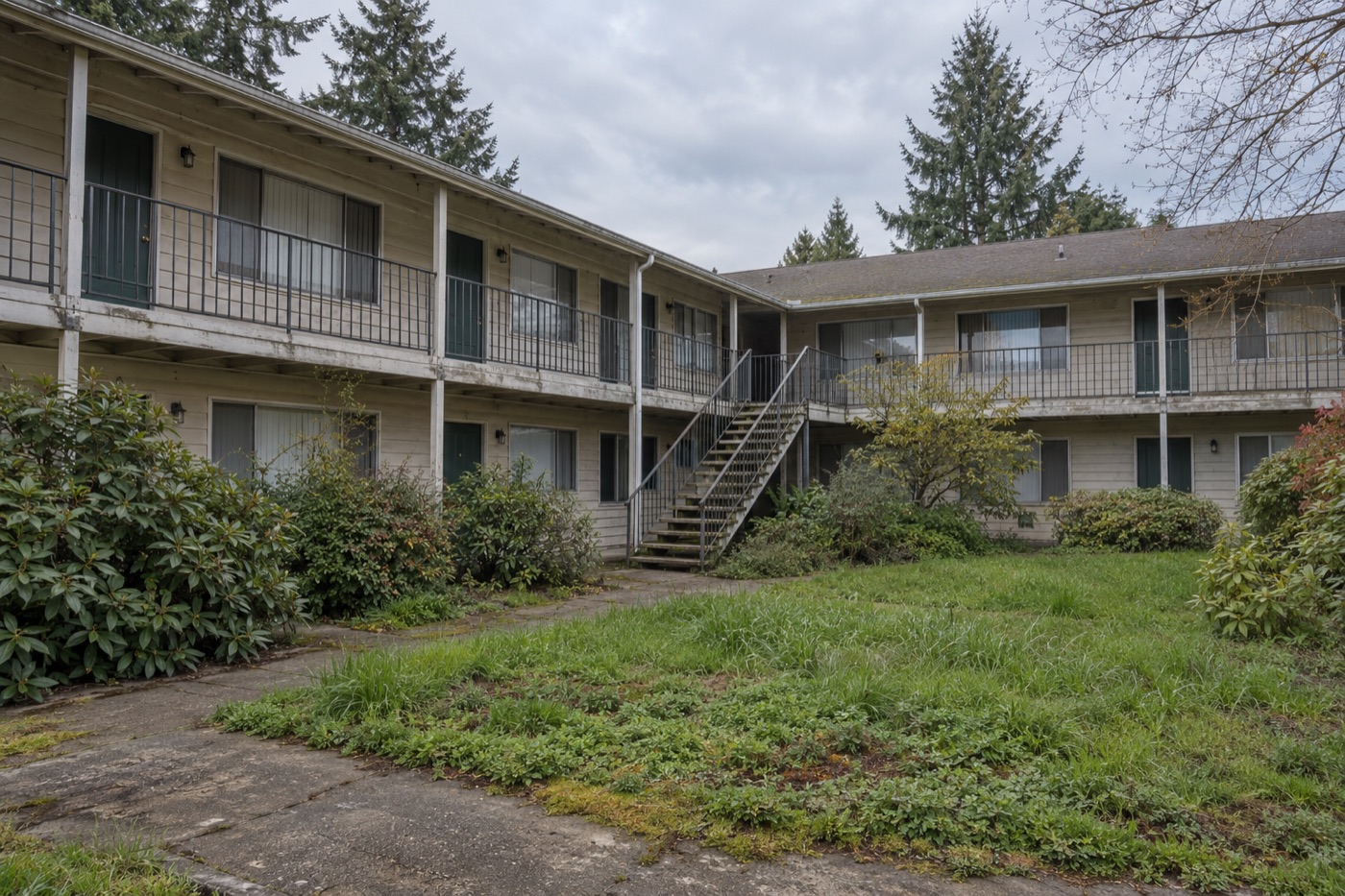
A multifamily bridge loan is often the most practical way for a buyer to finance an apartment building won at auction, because bridge lenders underwrite a property's plan instead of waiting for a stable history the building may not have. The catch is timing: an auction won't wait for your lender, so the loan has to be lined up, in principle, before you register to bid.
This guide is for buyers. It covers what makes an apartment auction different from other auction purchases, what a bridge lender will need from you, and how to set a bid limit you can actually fund.
Why apartment auctions are their own animal
A vacant lot or an empty warehouse is hard enough to buy at auction. An apartment building adds people. The building is usually occupied, the leases come with it, and the income you inherit may look nothing like the marketing package.
That creates three problems a lender will focus on:
- The rent roll may be unverified. You may not get signed leases, payment histories or estoppel-style confirmations before the sale.
- Collections are unknown. A building can be full and still collect poorly.
- Condition is often unseen. You may tour common areas and a few units, not every apartment.
A bridge lender can work with uncertainty, but it prices it. The less you can confirm, the more conservative the loan amount is likely to be.
What a multifamily bridge loan lender will want before auction day
Bring as much of this as the auction allows. Missing items don't always kill a deal, but each one is a question you'll have to answer.
| What the lender asks for | Why it matters | Where it comes from |
|---|---|---|
| Auction terms | Deposit, closing deadline and default penalties set the timeline | Auction platform or seller |
| Rent roll and any leases | Starting income for the loan sizing | Seller's data room, if provided |
| Operating statements | Real expenses, not estimates | Seller, or your own reconstruction |
| Unit access notes | What you saw and what you didn't | Your tour |
| Title and lien search | Clean ownership transfer | Title company |
| Your business plan | Renovation scope, cost, timing and exit | You |
| Your experience and liquidity | Whether you can carry the plan | You |
Share the auction terms with the lender first. If it can't meet the closing deadline, nothing else matters.
Know what the property will cost to carry
Most bridge loans float, which means the payment rises and falls with a short-term index. The most common is the Secured Overnight Financing Rate, which the Federal Reserve Bank of New York publishes. SOFR was 3.90% on September 28, 2026. Your loan rate would be that index plus a spread set by the lender, so your actual rate will be higher.
Auction apartment buildings often need work, and units under renovation don't pay rent. Budget for months where the building earns less than it does today, not more. Keep cash reserves for interest, repairs you didn't see, and turnover.
Check the market before you set the plan
Rents don't move the same way everywhere. In its August 5, 2026 forecast, Yardi Matrix projected 1.4% national apartment rent growth for 2026. It also expected negative rent growth this year in markets that absorbed heavy new construction, naming Austin, the Southwest Florida coast, Phoenix, Asheville and San Antonio.
For an auction buyer, that matters. A plan that assumes rising rents in a market that's still digesting new supply will look weak to a lender, and it should look weak to you too.
Distressed apartment loans, and what that means for buyers
Some apartment properties reach the market because the owner's loan is in trouble. CRED iQ's August analysis, reported by CRE Daily, found distress in CRE CLOs, where many apartment bridge loans sit, rose to 28% in August. It tied much of that stress to 2021 and 2022 bridge loans that relied on rent growth that didn't materialize, and found Texas, Florida and Georgia made up 44% of the distressed balance.
That doesn't mean a wave of auctions is coming, and it isn't a reason to bid. It's a reminder that the last buyer of that building may have used a bridge loan too, with rent assumptions that didn't work. Don't repeat them.
Setting your bid limit from the financing
Your maximum bid should be worked out before the auction, in this order:
1. Get the lender's view of the loan amount
Ask the lender what it would lend on the property as-is, given what you can verify. Get it in writing, with the conditions.
2. Add your equity and subtract your reserves
Your cash for the purchase is what's left after you set aside interest, renovation and contingency reserves. Don't raid reserves to win the bid.
3. Add auction costs
Buyer's premiums, closing costs and lender fees all come out of the same pocket. Check the auction terms for every charge.
4. Write the number down and stop there
The bid limit is the loan plus your spare equity, minus the costs. Past that number, you're either covering the gap in cash or risking your deposit.
Hypothetical example: a lender indicates it would lend $16M on an auction apartment property, and the buyer has $10M in cash. After setting aside $6M for reserves, renovation and auction costs, the buyer's ceiling is $20M, all in. If the bidding passes that, the right move is to stop.
Where a broker helps
Northern Ridge Capital is a debt broker, not a lender. It works on purchase loans from $5M to $30M, including apartment buildings bought at auction, and can take your property, plan and auction terms to bridge lenders whose programs fit before you bid. You can read more about bridge loans for commercial property purchases. It can't promise approval or that any lender will close by an auction deadline.
FAQ
Can I use a multifamily bridge loan to buy an apartment building at auction?
Often, yes, if the lender reviews the property and auction terms before you bid and can close by the deadline. Check whether the auction terms include a financing contingency. If they don't, the risk of a late loan is yours.
Will a lender finance a building I couldn't fully inspect?
Some will, but they'll size the loan conservatively to reflect what's unknown. The more you can verify, the better your terms are likely to be.
What rate will I pay?
It depends on the lender and the deal. Most bridge loans float on an index like SOFR, which was 3.90% on September 28, 2026, plus a spread.
How do I avoid overbidding?
Set your ceiling from the lender's loan amount plus your spare equity, after reserves and auction costs, and don't bid past it.
At an apartment auction, the financing sets the price you can pay. Line up a multifamily bridge loan before auction day, verify what you can, and let that number, not the room, decide your last bid.