Buying Commercial Property at Auction? How a Bridge Loan for Commercial Real Estate Fits
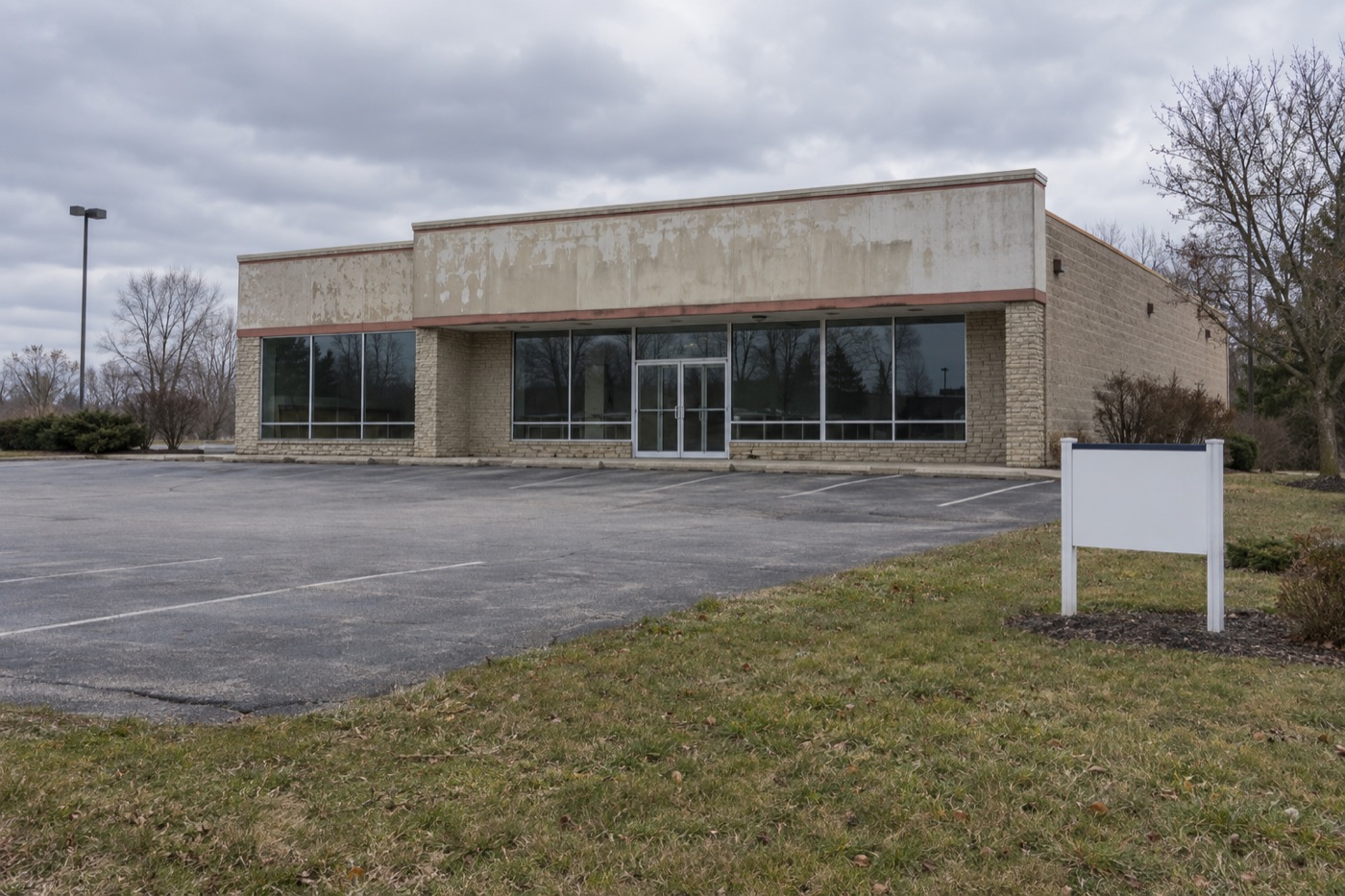
A bridge loan in commercial real estate is one of the few kinds of financing that can fit an auction purchase, because auctions demand speed and certainty that most long-term lenders can't offer on a property you haven't fully inspected. But the loan has to be lined up before you bid, not after you win.
This guide covers why auctions are hard to finance, how a bridge loan can fill that gap, and what to do before the gavel falls.
Why auction purchases are hard to finance
Auction sellers write the rules, and those rules protect the seller. Government sales are a clear public example. The U.S. General Services Administration's terms for its real estate sales say:
- Bids must be all cash. "No Government credit terms are available."
- You bring your own money. Buyers "are expected to arrange their own financing and to pay the balance in full by the closing date."
- The property is sold "AS IS" and "WHERE IS" without representation or warranty.
- Your deposit is at risk. Earnest money and deposits "are subject to forfeit" to the government as damages if the buyer breaches the contract.
Private and foreclosure auctions have their own terms, and they differ by seller and by state. Many share the same spirit, though: a firm deadline, limited inspection, and a deposit you can lose if you don't close.
"All cash" in auction terms doesn't mean you can't borrow. It means the seller won't wait on your lender and won't make the sale contingent on financing. If your loan falls through, that's your problem, and your deposit pays for it.
Where a bridge loan fits an auction purchase
A long-term lender usually wants stable income, a full inspection, a clean appraisal and time to underwrite. An auction property often has none of these. It may be vacant, run down, or simply unknown until you get the keys.
A bridge lender is set up for exactly that kind of property. It underwrites the plan: what the building is worth as-is, what it will take to fix, and what it will be worth after. Bridge lenders can also often move faster than permanent lenders, although speed depends on the lender, the property and how complete your package is. No one can guarantee a closing date.
After closing, you carry out the plan and then pay off the bridge by refinancing into long-term debt or selling.
Bridge loan commercial real estate steps before you bid
The order of operations is what separates a good auction purchase from a lost deposit.
Step 1: Read the auction terms twice
Find the deposit amount, when it's due, when it becomes nonrefundable, the closing deadline, any buyer's premium, and what happens if you miss the deadline. Write these down in one place.
Step 2: Do all the diligence the auction allows
Tour the property if you can. Pull title and tax records. Review any environmental reports, surveys or leases the seller provides. Note what you can't learn before the sale, because a lender will ask.
Step 3: Talk to lenders before auction day
Share the property, your plan and the auction terms with prospective bridge lenders early. Ask directly whether they can close by the auction's deadline and what they'll need from you to do it. Ask for their conditions in writing.
Step 4: Set your maximum bid from the financing, not the excitement
Your top bid should come from the loan amount a lender will actually support, plus your own equity and reserves. Bidding past that number means covering the gap in cash, or losing the deposit.
Step 5: Have a backup
If your lender pulls back, what then? A second lender, extra equity from a partner, or cash on hand. At an auction, the backup plan is part of the main plan.
Auction financing options compared
| Option | Can it meet an auction deadline? | Handles as-is or vacant property? | Main drawback |
|---|---|---|---|
| All your own cash | Yes | Yes | Ties up a large amount of capital |
| Bridge loan | Sometimes, if arranged in advance | Often, underwritten on the plan | Higher cost, short term, exit risk |
| Conventional bank loan | Often hard on short timelines | Usually wants stable income | Slower, stricter on condition |
| Long-term permanent loan | Rarely | Usually not | Needs a stabilized property |
Risks to weigh
- Losing the deposit. If financing fails and the terms say the deposit is forfeited, it's gone.
- Hidden condition problems. "As is" means the repair bill is yours, and it can change your whole plan.
- Title surprises. Liens or claims you didn't catch can delay closing or add cost.
- Exit risk. The bridge loan still has to be repaid. If the fix takes longer or the market softens, your refinance or sale may not cover it.
Why auctions may come up more
The Federal Reserve's May 2026 Financial Stability Report noted that a large volume of commercial real estate debt is scheduled to mature over the coming year, and that forced sales, if they happened, could put downward pressure on prices. It also said lenders' willingness to extend maturing loans may become more limited. That doesn't mean a wave of auctions is coming. It does mean an owner watching for distressed properties should understand how auction financing works before an opportunity shows up, not during.
Hypothetical example: a buyer wins a vacant commercial building at auction with a $6M bid. The terms require the balance by a fixed closing date and make the deposit nonrefundable. A buyer who only starts calling lenders after winning may find none can close in time. A buyer who had a bridge lender review the property, the plan and the terms before the auction has a real chance of closing on schedule.
Where a broker can help
Northern Ridge Capital is a debt broker, not a lender. It works on loans from $5M to $30M and can take an auction purchase plan to bridge lenders whose programs fit it. You can find more on commercial bridge financing on its site. It can't promise that any lender will approve a loan or close by an auction deadline.
FAQ
Can I use a loan to buy property at an "all cash" auction?
Often, yes. "All cash" usually means the seller won't accept a financing contingency or offer terms. You can still borrow from your own lender, as long as the money arrives by the closing deadline. The GSA's terms, for example, expect buyers to arrange their own financing.
When should I arrange a bridge loan for an auction purchase?
Before you bid. Lenders need time to review the property and your plan, and auction closing deadlines don't move for your lender.
What happens to my deposit if my financing falls through?
It depends on the auction's terms. Under GSA's terms, earnest money and deposits are subject to forfeit if the buyer breaches. Read your specific auction's terms before you register.
Will a bridge lender finance a property I couldn't fully inspect?
Some will, but they'll price in the unknowns and may lend less. The more diligence you can complete before the auction, the better your financing terms are likely to be.
At an auction, the financing decides the bid. Arrange a bridge loan for commercial real estate before auction day, set your limit from what the lender will support, and keep a backup ready.